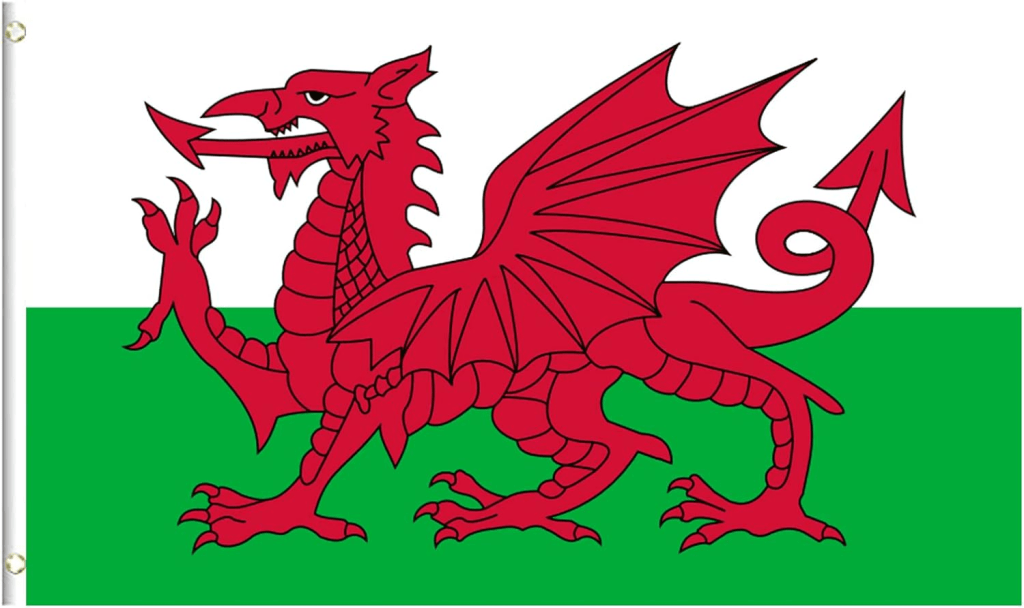
Dragons: Yesterday, thinking about St George killing the dragon, set me musing…
Good: I saw a Welsh flag with the Red Dragon at its centre. It’s a dragon from Celtic mythology, the Welsh guardian and protector. It represents strength, courage, and resilience, the spirit of the Welsh nation, symbolizing defiance and resistance, calling Welsh people to unite and stand against adversity.
Dragons feature in Chinese mythology and art, representing power, wisdom, and protection. Dragons play a central role in festivals and cultural practices. The Dragon Dance, during Chinese New Year, chases away evil spirits and invites good fortune. Dragons connect the earth with the heavens. control water and weather. They embody the balance of yin and yang.
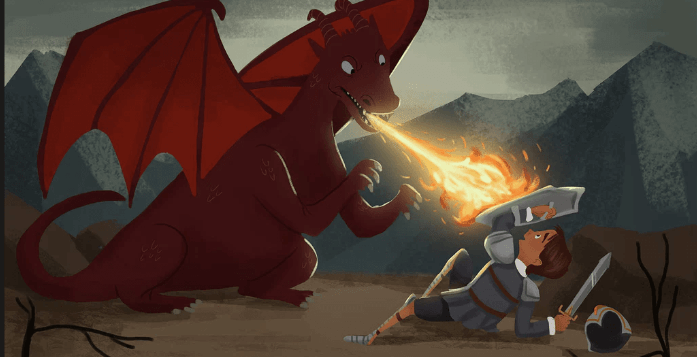
Bad: St George’s dragon terrorised the villagers, symbolising evil, fear, and destruction… just as, in Bunyan’s Pilgrim’s progress, Christian battles with, and defeats, the evil dragon ‘Apollyon’, Lord of the City of Destruction,
The Biblical image of dragons is also evil, devilish. For example, in John’s Revelation of the end times: ‘And I saw an angel coming down out of heaven… He seized the dragon, that ancient snake, who is the devil, or Satan, and bound him for a thousand years.’ When the dragon is destroyed, then all is good, right and perfect.
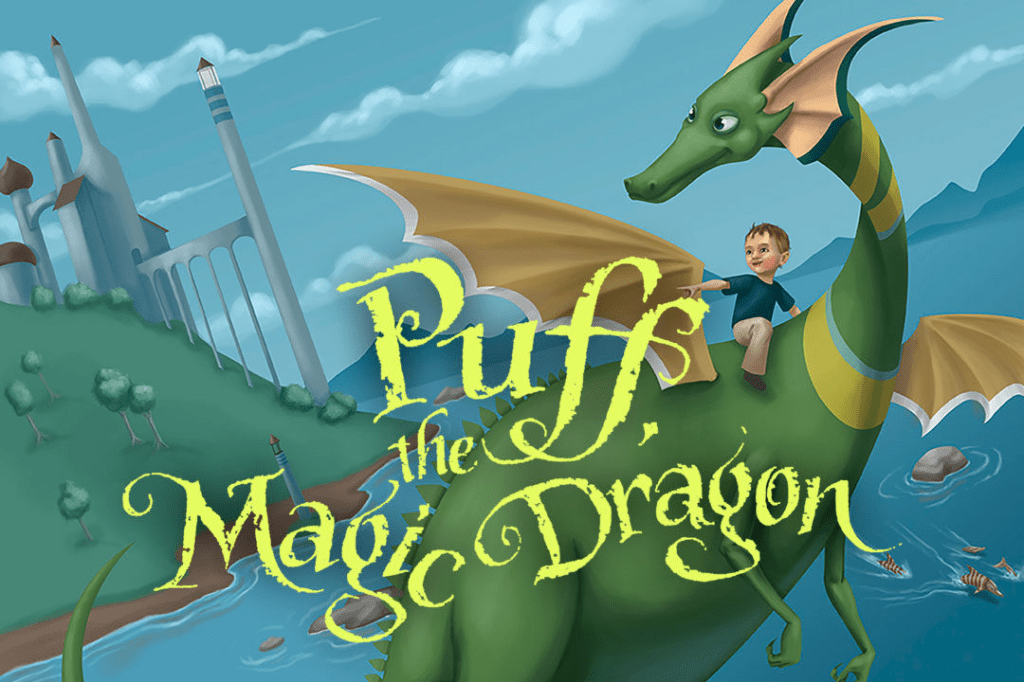
Cuddly: Earlier in the week I was reminded of Peter Paul and Mary singing ‘Puff the Magic Dragon’ who ‘lived by the sea and frolicked in the autumn mist, in a land called Honah Lee’.
Here the dragon is a child’s imaginary friend. They, keep each other company, have adventures together. It’s harmless fun, a happy game. This dragon take its place alongside teddies, Barbie and Buzz Lightyear as soft cuddly toys that comfort and stimulate the imagination.
Musing… In my world of dragons, I pray that I will gain strength from the good dragons, fight against the bad dragons, embrace the cuddly dragons, and have the wisdom to know the difference.


Loved singing along with that song on the radio!
LikeLiked by 1 person
It’s a good song. Until yesterday I didn’t realise it was part written by Pater Yarrow of Peter, Paul and Mary.
LikeLiked by 1 person
Great post as usual – also made me think of the song “When a Knight won his spurs” Thank you xx
LikeLiked by 1 person
Me too, John. That reference – ‘when the knights are no more and the dragons are dead.’ got lost in the edit!
LikeLike
My first memory of dragons was Pete’s. So I loved all for life. 😀
LikeLiked by 1 person
I certainly prefer to think of dragons as good.
LikeLike