
Last night we watched the Royal British Legion Festival of Remembrance from London’s Royal Albert Hall. Senior members of the Royal Family were present, as we marked the 80th anniversary of the end of the Second World War and the 25th anniversary of lifting the UK’s ban LGBT+ personnel serving in the armed forces.
Veterans, serving personnel, and families shared stories and readings, as we remembered war and peace, courage and sacrifice. There were traditional and contemporary songs, military band pieces, and the old hymn ‘Abide With Me’.
Abide with me; fast falls the eventide;
The darkness deepens; Lord with me abide.
When other helpers fail and comforts flee,
Help of the helpless, O abide with me.
Swift to its close ebbs out life’s little day;
Earth’s joys grow dim; its glories pass away;
Change and decay in all around I see;
O Thou who changest not, abide with me.
The hymn was written by Henry Francis Lyte. Born 1793 he was left as an orphan. Despite his poverty, he attended college, won awards for his poetry, and became a vicar in a Devonshire village. For many years he suffered from a lung disorder that turned into tuberculosis. There’s uncertainty when ‘Abide with me’ was written; it was first sung at Lyte’s funeral in 1847.
I need Thy presence every passing hour.
What but Thy grace can foil the tempter’s power?
Who, like Thyself, my guide and stay can be?
Through cloud and sunshine, Lord, abide with me.
I fear no foe, with Thee at hand to bless;
Ills have no weight, and tears no bitterness.
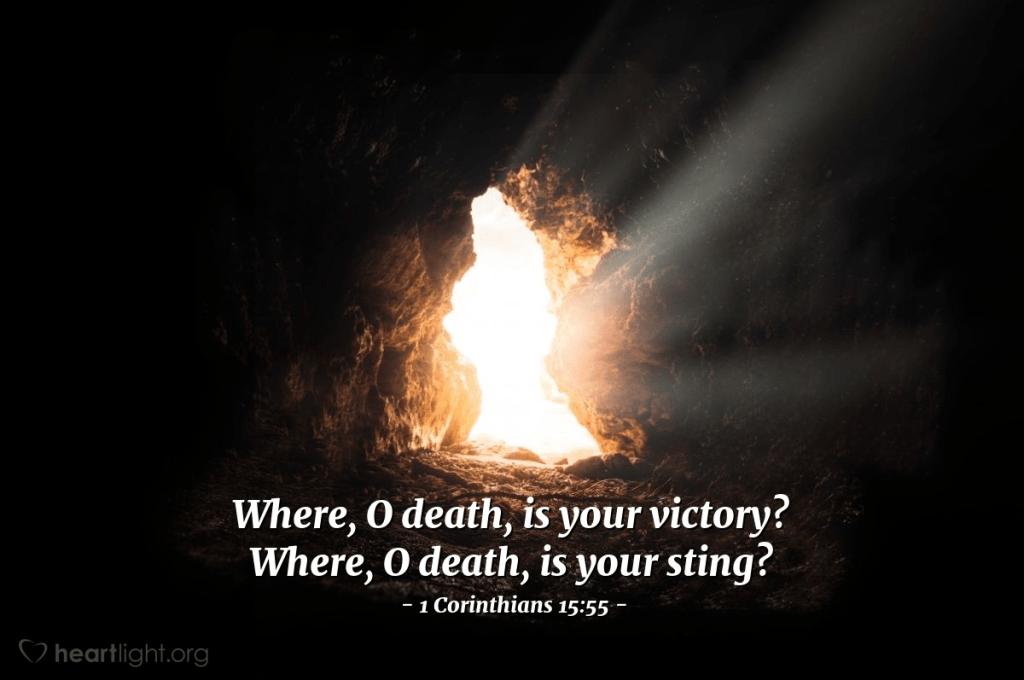
Where is death’s sting? Where, grave, thy victory?
I triumph still, if Thou abide with me.
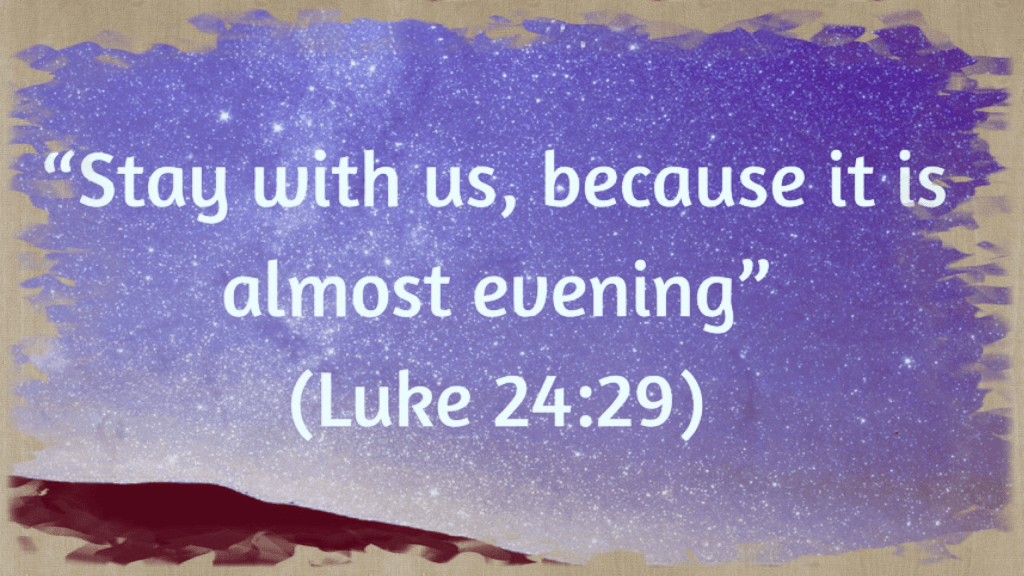
Lyte quotes Paul, who’s quoting the prophet Hosea: ‘Where, O death, is your victory? Where, O death, is your sting?’ The phrase ‘Abide with Me’ comes from the two disciples, meeting the risen Jesus on the Emmaus road, who invite Jesus to stay, abide, with them…
Hold Thou Thy cross before my closing eyes;
Shine through the gloom and point me to the skies.
Heaven’s morning breaks, and earth’s vain shadows flee;
In life, in death, O Lord, abide with me.
Despite its age this hymn still speaks to us, speaks to me, today. Although Jesus isn’t mentioned by name He is clearly central. As I sing it I pray for His abiding presence in life, through suffering and death, to the reality, the certain hope, of heaven.
 malcolmsmusings.org
The words of Abide With Me made me think of Land of Hope and Glory and our National Anthem. I was surprised that there aren’t the jingoistic words I expected in either of them.
I am amused, yes amused, that at any time day or night, one can find something related to either WWI or WWII on the various TV channels. I sometimes think it’s no wonder the Germans especially think we’re obsessed with the war.
However, I am not amused that Holocaust Memorial Day is not more widely covered on TV.
Love and Peace.
LikeLiked by 2 people
Thanks for your comments, Alan. It helps me to understand ‘Abide with me’ when relating the lyrics to the context that they were written in… Lyte sitting beside a dying friend, coming to terms with his own sickness and mortality, relating it to his personal faith.
LikeLike