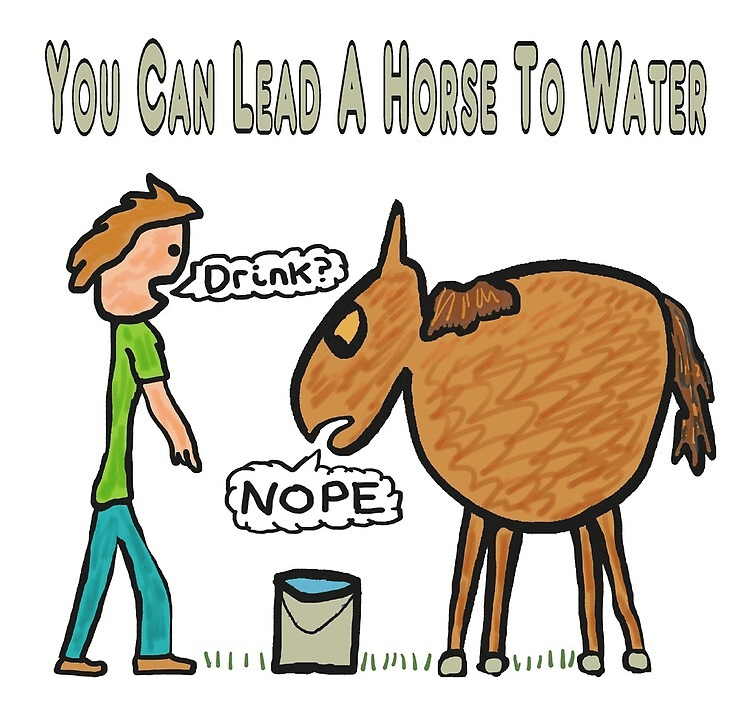
Yesterday my friend Jack mentioned the ‘horse and water interface’. He was referring to the old English proverb, ‘you can lead a horse to water, but you can’t make it drink’.
Mr Google tells me that it was recorded as early as 1175 in ‘Old English Homilies’ and it appeared in John Heywood’s 1561 publication: ‘A dialogue conteinyng the nomber in effect of all the prouerbes in the Englishe tongue.’
Horse is led to water. Horse can choose… ignore water… sniff around water… drink water enthusiastically.

I was aware of the horse and water interface daily as a teacher… A teacher prepared a lesson – interesting, important, part of the curriculum. They presented it to the class – ‘Why does the sun rise every morning?’ ‘Was Henry VIII a good man?’ ‘Imagine you are shipwrecked on a desert island…’ Whatever. The horses were led to the water
The children had a choice. They could disengage… minimally engage to keep the peace… fully engage. To drink or not to drink.
I’ve been particularly aware of the reality of the horse and water interface in world politics recently. International politicians come together to discuss world pollution… global warming… international terrorism… peace in Gaza or Ukraine… Horse and water come together.
They discuss the breed or size of the horse, the suitability or availability of the water, whether drinking is possible or desirable, who is responsible for monitoring the drinking… The vital action of drinking is omitted.
As ordinary people in everyday life we’re presented with the good, the right, the honourable… the way, the truth, the life… we have options, choices… We’re horses interfacing with water.
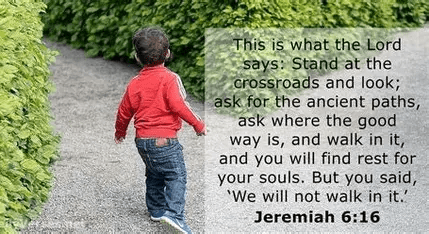
The ancient prophet Jeremiah said: ‘This is what the Lord says: ‘Stand at the crossroads and look; ask for the ancient paths, ask where the good way is, and walk in it, and you will find rest for your souls.’ But you said, ‘We will not walk in it.’
This horse chooses not to drink…
 malcolmsmusings.org
I would be lying if I said I’ve ever given much thought to that phrase, but my goodness, your use of us as the horse is the most true thing I’ve seen in quite a while. Another great explanation and message, Malcolm.
–Scott
LikeLiked by 1 person
Good point, Scott. It’s always easier to see others as non-drinking horses. I can think of many times when I’ve been brought to the water and haven’t had a drink.
LikeLiked by 1 person
That makes two of us!
LikeLiked by 1 person
In my younger days I was a community youth director working with “at risk” youth and also developing student leadership. our model or style of approach to the horse and water was to answer the question “What can I do to put salt in their oats”?
LikeLiked by 3 people
Great approach. Thanks, Gary. I hadn’t heard that before. I shall remember it!
LikeLiked by 1 person