Rudyard Kipling’s poem ‘If’, includes the lines:
If you can meet with Triumph and Disaster
And treat those two impostors just the same.
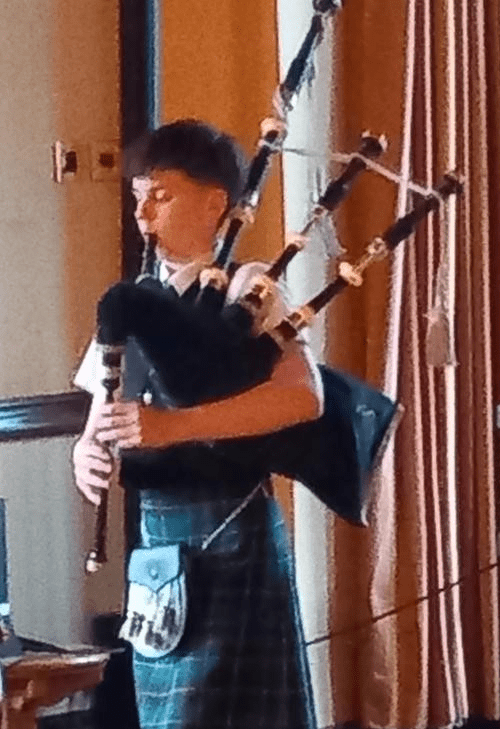
On Wednesday evening we enjoyed thirteen-year-old Alastair playing the bagpipes for us at our hotel. I was impressed by his musical passion, his confident maturity and his cheerful enthusiasm. He’s already taking part in piping competitions across Scotland.
Alastair is a young man who is already enjoying success, and has huge potential for the future. He certainly left me with a positive view of achievement and triumph.
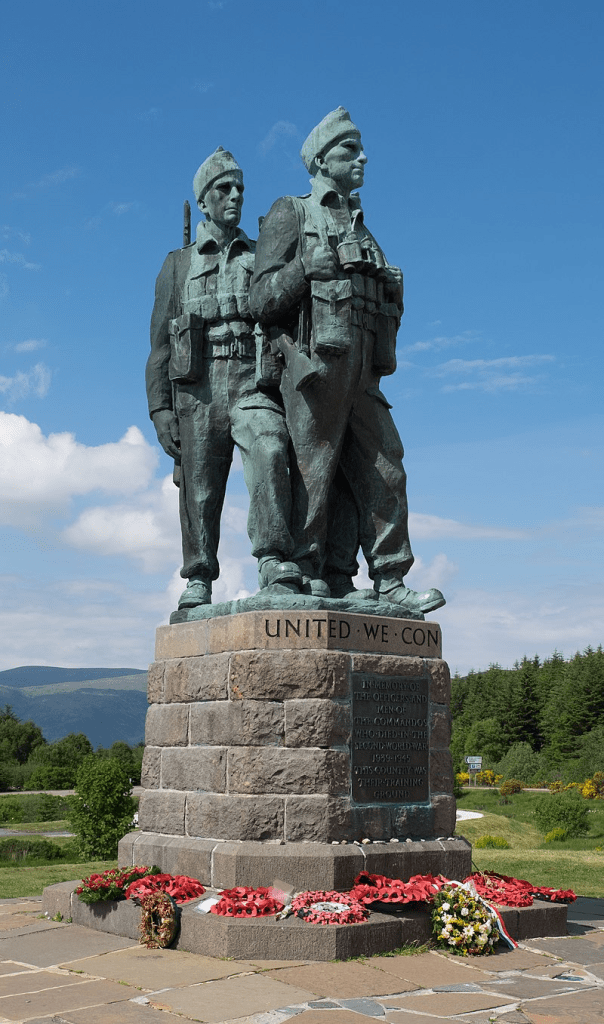
In contrast, yesterday we visited the Commando Memorial in Lochaber, close to Fort William dedicated to the men of the original British Commando Forces. It overlooks the training areas of the Commando Training Depot, established in 1942 at Achnacarry Castle during World War II.
There was a general memorial, and plaques to specific soldiers. I was struck by one commemorating Paul Warren, who was killed in Afghanistan in 2010 aged just twenty-three. The waste of a young life. A disaster.

The difficult conundrum is, ‘How do we balance Allastair’s potential and successful triumph with Paul’s tragic loss and disaster.
Our society and culture encourages success, achievement and victory and seeks to avoid discomfort, defeat and disaster.Kipling remarkably suggests that both are imposters – and that we should treat them both the same.
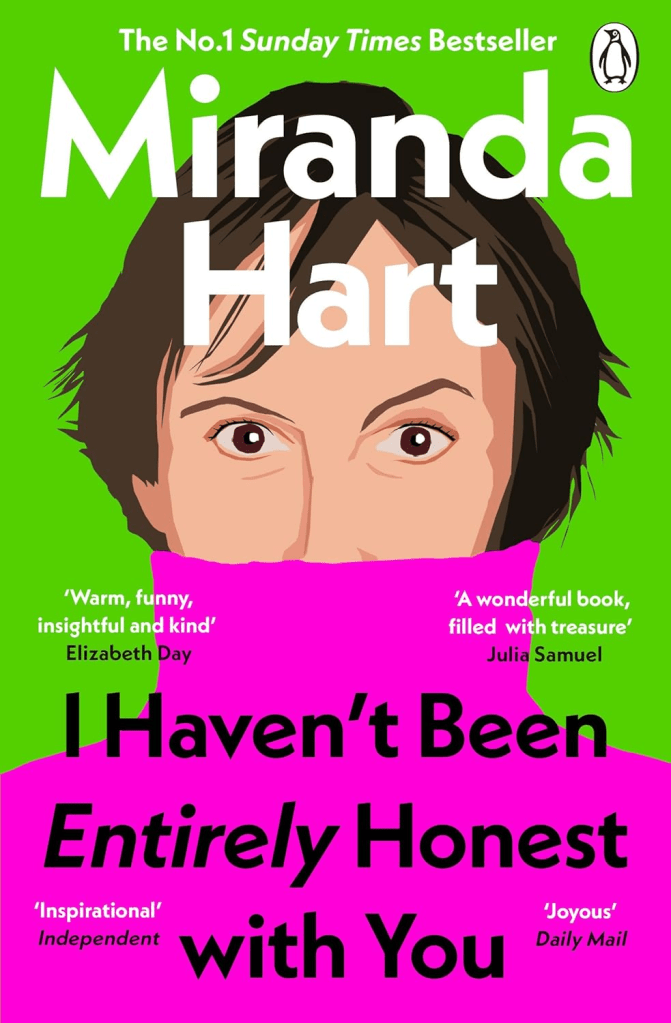
Considering the Kipling lines, Miranda Hart comes up with this unexpected suggestion: ‘I do believe that we should start celebrating disasters as much as we do the triumphs. Have a setback party! Toast that we are now more courageous, resilient and persevering than ever… Life is easy when it’s going well. In times of despair we need each other. And if we have setback parties, aren’t we freeing others to feel OK about their crashes and dips?’
Miranda doesn’t entirely answer the Alastair and Paul conundrum for us but she certainly challenges me to have a more balanced view of triumph and disaster.
 malcolmsmusings.org
Each morning I’m awed by your ability to weave your daily encounters and life into a potent and practical message. Another amazing week of thoughts and faith, Malcolm. Enjoy your weekend!
–Scott
LikeLiked by 2 people
I’m no writing expert, Scott. I’ve only been trying to write for a few years. For me – as with conversation – it’s often more important to listen that to speak (or write)
LikeLiked by 1 person
I can appreciate that, and clearly your ability to listen (and see) is evident. Regardless of your self-assessment for writing, I’ll be over here appreciating your daily thoughts nonetheless! Have a blessed weekend.
–Scott
LikeLiked by 1 person
Thank you, Malcolm! Through your sharing of what you see and read, you offer us so many different ways of looking at things, encouraging us to challenge and refresh out outlooks and ingrained thought-processes.
LikeLiked by 4 people
My experience, Dana, is that people in general and Christians in particular, get stuck in a rut, saying or writing what they have heard before. For me belief and faith has to be personalised – which means looking for meaning, relevance and application in what happened yesterday and what is happening today.
LikeLiked by 1 person
Good point, Malcolm, because I hope to be growing along the way! You reminded me of Isaiah 43:19, “See, I am doing a new thing! Now it springs up; do you not perceive it?”
LikeLiked by 1 person