As a child I loved listening to stories at Sunday School; my dad was a great story teller. I read stories, especially Enid Blyton – Noddy, The Faraway Tree, Mr Pink-Whistle…
I became a story-teller myself in church, at school. Leading school assemblies invariably involved telling a story.
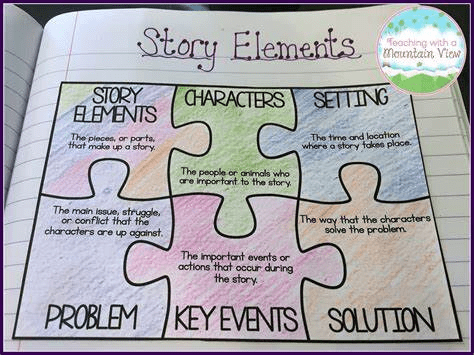
I taught children to write stories – creating characters in a setting; developing a plot with a conflict or crisis; reaching a conclusion, bringing resolution.
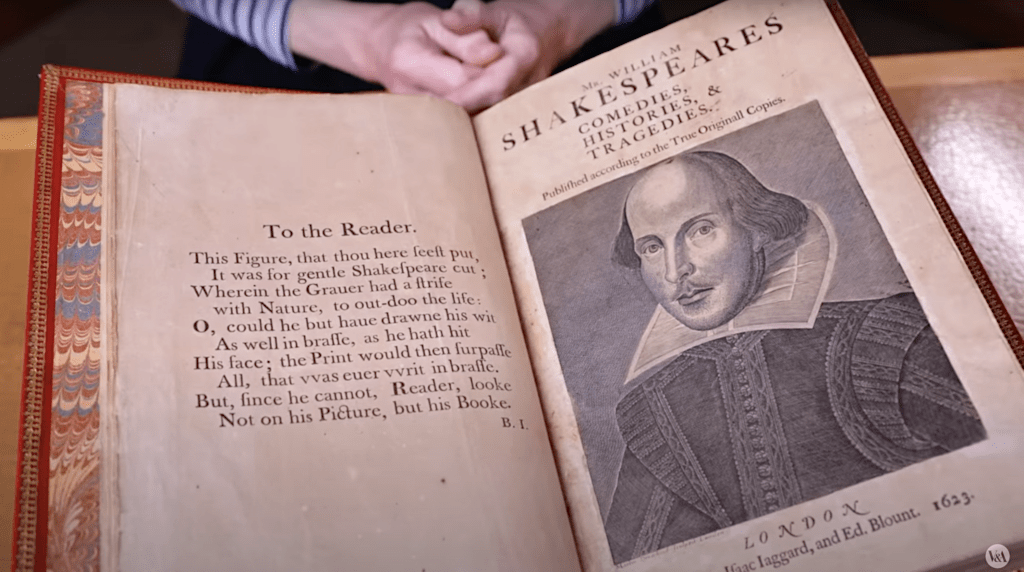
November 2023 marks the 400th anniversary of the publication of William Shakespeare’s ‘First Folio’, of 36 plays. Shakespeare was a great story teller, developing traditions of comedy and tragedy.
In comedy, conflicts and problems are resolved; there’s a happy ending. In tragedy, conflicts lead to destruction; there can never be a happy ending.
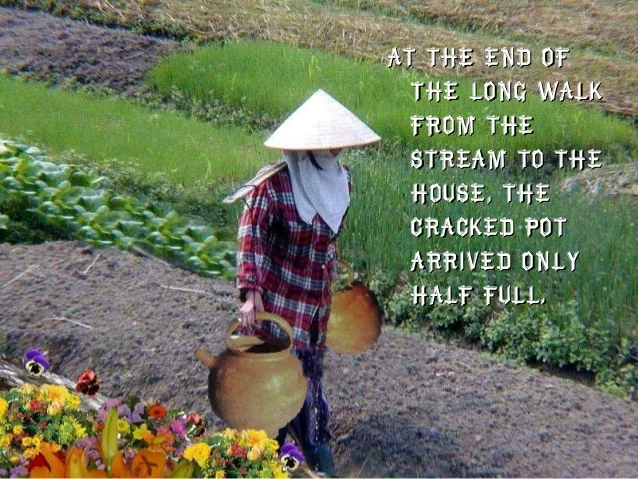
An elderly woman had two large pots, hung each end of a pole which she carried across her neck each day from her house to the stream where she filled her pots with water.
One pot was cracked; it was only half full by the time it reached the woman’s house. The other perfect pot always delivered a full pot of water. The cracked pot was miserable and ashamed; the perfect pot was proud and successful.
After years of failure, the cracked pot said to the woman: ‘I’m ashamed of myself. Water always leaks out of me.’
The woman smiled: ‘Did you notice? There are flowers on your side of the path, but not on the other side. Because of your crack I planted flowers on your side of the path, and every day you water them.’
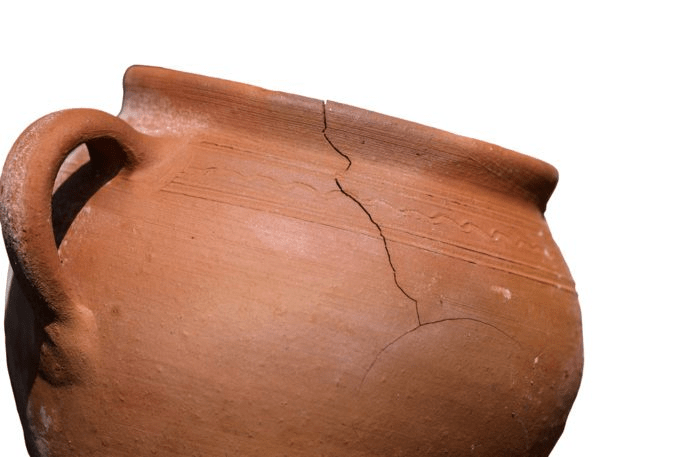
Tragedy would result in the flawed pot’s destruction. Comedy accepts the cracks and flaws and uses them to bring about a happy ending.
In the Jesus story, cracks and flaws are accepted and can be used for good. Apparent tragedies of crisis, suffering and death can be transformed to resolution, life and hope. An old crackpot like me still likes a story with a happy ending.
 malcolmsmusings.org
I know an elderly couple (mentors by example to so many), who have lived tragedy but constantly speak comedy…the hope in us can be real.
LikeLiked by 1 person
I think that’s one of the aspects of ‘the gospel’, Gary, that tragedy is redeemable. I confess I don’t fully understand it, but I believe it.
LikeLiked by 1 person
The cracked pot story is among this ole cracked pot encouraging favorites Malcolm. Thank you.
LikeLiked by 1 person
A ragamuffin by any other name, Fred!
LikeLike