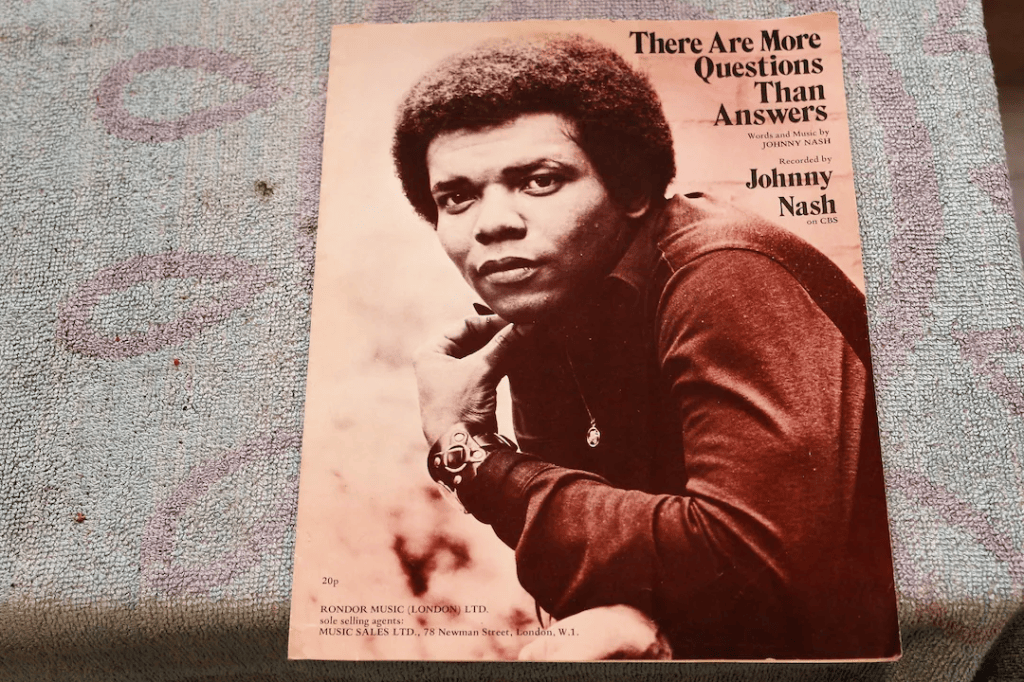
Last week I was talking to my friend Norman whom I’ve known for many years. Norman has a strong Christian faith and clear views and opinions. We were chatting about families, mutual friends, church, God. Looking back over some difficult times he’s been through he said that there’s a lot he doesn’t understand. ‘There are more questions than answers,’ he said – referring to the old Johnny Nash song.
There are more questions than answers,
Pictures in my mind that will not show.
There are more questions than answers,
And the more I find out the less I know.
I’ve asked the question time and time again
Why is there so little love among men?
But what is life? How do we live?
What should we take and how much should we give?
I identify with ‘The more I find out the less I know’. As a young man I was confident I could answer difficult questions; now, like Norman, I’m less certain. The song asks good but difficult questions about love – and the lack of it in our world, the purpose of life and how we live, the balance of taking and giving…
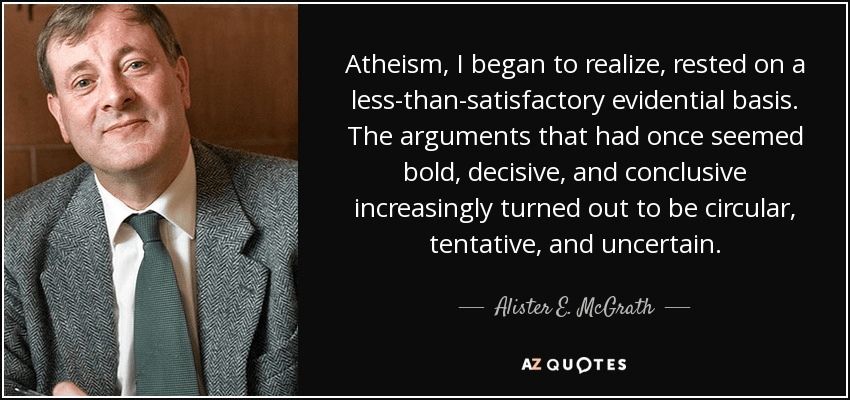
In this month’s Premier Christianity Alister McGrath, writing about his time as theology professor at Oxford University, describes the questions that his students asked him: ‘Twenty years ago the questions I was asked about Christianity by young people were shaped by the New Atheism of Richard Dawkins. How can a thinking person possible be a Christian? Isn’t faith a dangerous delusion for the intellectually inadequate?
He explains how in the last ten years young people are asking different questions: ‘Instead of challenging me about whether God exists or if the resurrection really happened, they want to understand how Christianity helped people to find meaning. How does faith bring stability and security?
He describes how he has moved from answering questions about whether Christianity is truthful, to whether it is trustworthy and transformative.
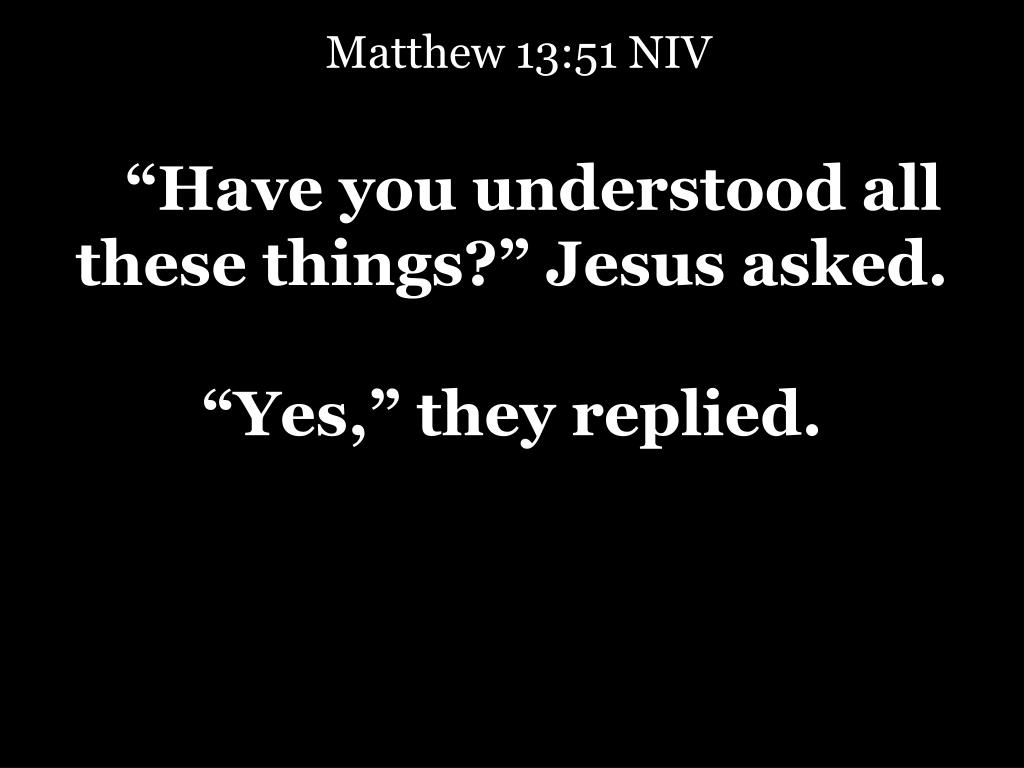
This morning I’ve read several chapters of Matthew’s gospel. Jesus is always asking tricky questions. His miracles often include questions; his parables raise questions. After stories about seeds, weeds, treasures, pearls and nets Jesus asks, ‘Have you understood these things?’ That’s a tough question!
In describing different sorts of questions McGrath helpfully quotes the late chief rabbi, Lord Jonathan Sacks: ‘Science takes things apart to see how they work. Religion puts them together to see what they mean.’
And I think he points to answers for Johnny Nash’s difficult questions with Augustine of Hippo’s famous prayer: ‘You have made us for yourself, and our hearts are restless until they find rest in you.’


I’m just grateful the I know God understands, so I don’t have to strain my brain trying to figure it all out!
LikeLiked by 2 people
…But it won’t stop me from asking the questions, even if I don’t have the answers!
LikeLiked by 2 people
Okay, fair enough! God says He wants us to ask, so I’m with you!
LikeLiked by 2 people