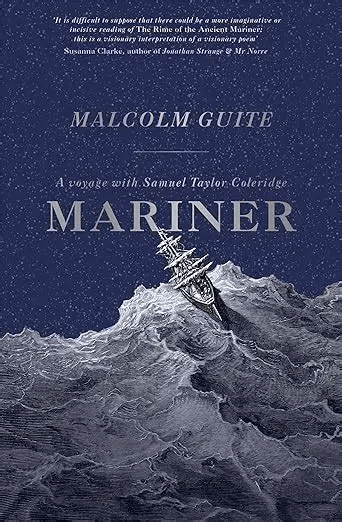
Malcolm Guite writes that, central to Samuel Taylor Coleridge’s moral thinking, was ‘what he called the sacred distinction between a person and a thing.’ He quotes an 1811 Coleridge essay:
‘The Contra-distinction of PERSON and THING being the Condition and Ground of all Morality… A slave is a person perverted into a thing: Slavery, therefore, is not so properly a deviation from Justice, as an absolute subversion of all Morality.’
On the news we see modern day slavery, sex trafficking… the bombed city, the makeshift hospital, the refugee… suffering families in famines, wars, disasters… Ours is a different world. It’s easy to distance ourselves. Persons can be perverted into things.
This week…
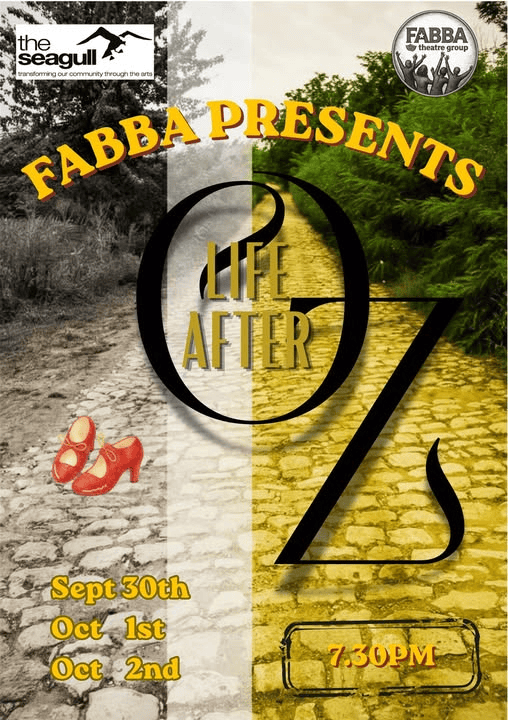
…We watched ‘Life After Oz’, the latest production from Fabba – a theatre company for adults with learning disabilities. Twenty actors on the stage singing, dancing… Folks with Down Syndrome and other disabilities… It’s easy to be patronising, create the ‘us’ and ‘them’ world. Persons become things.

…We saw eleven-year-old Bodhana Sivanandan. Britain’s youngest women’s chess champion… the youngest person to represent England internationally in any sport… the youngest player in history to earn the ‘woman grandmaster’ title. The exceptional can become celebrities. Placed on a pedestal, admired from a distance, persons become things.

…Dame Esther Rantzen died. In 1986 this inspirational broadcaster and campaigner founded Childline, the UK’s first national helpline dedicated to children distressed by abuse, bullying… In 2013 she founded Silver Line, aimed at older people suffering loneliness, isolation… Dame Esther saw the sacred distinction between persons and things.
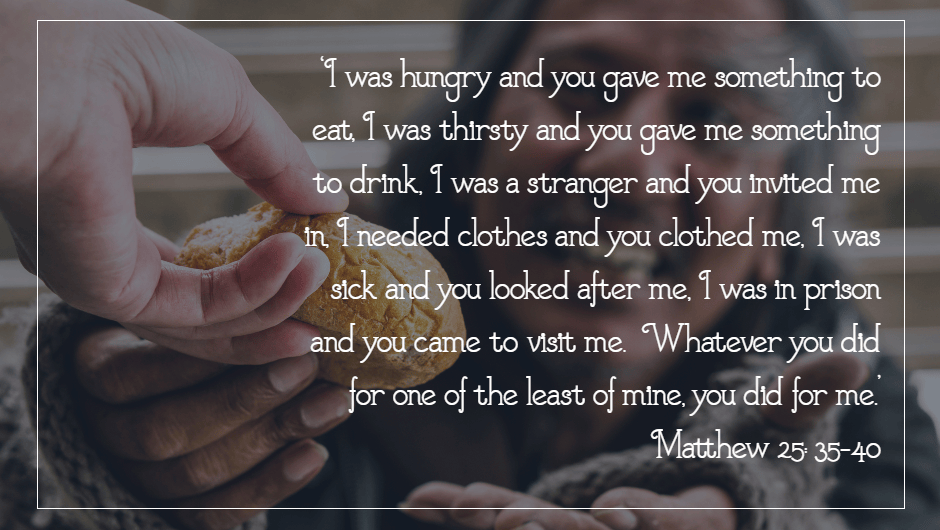
…Our church home group considered Jesus’ words: ‘For I was hungry and you gave me something to eat, I was thirsty and you gave me something to drink… Truly I tell you, whatever you did for one of the least of these brothers and sisters of mine, you did for me.’
Jesus says that the hungry, the thirsty, the stranger, the poor, the prisoner, the different, the other… are not things, they are persons. Don’t see them as objects; see them as me.


hit home run with this one malcome.
long may your moral compass point truly
LikeLiked by 1 person
Thanks Graham. A truly pointing moral compass is something we all need!
LikeLike