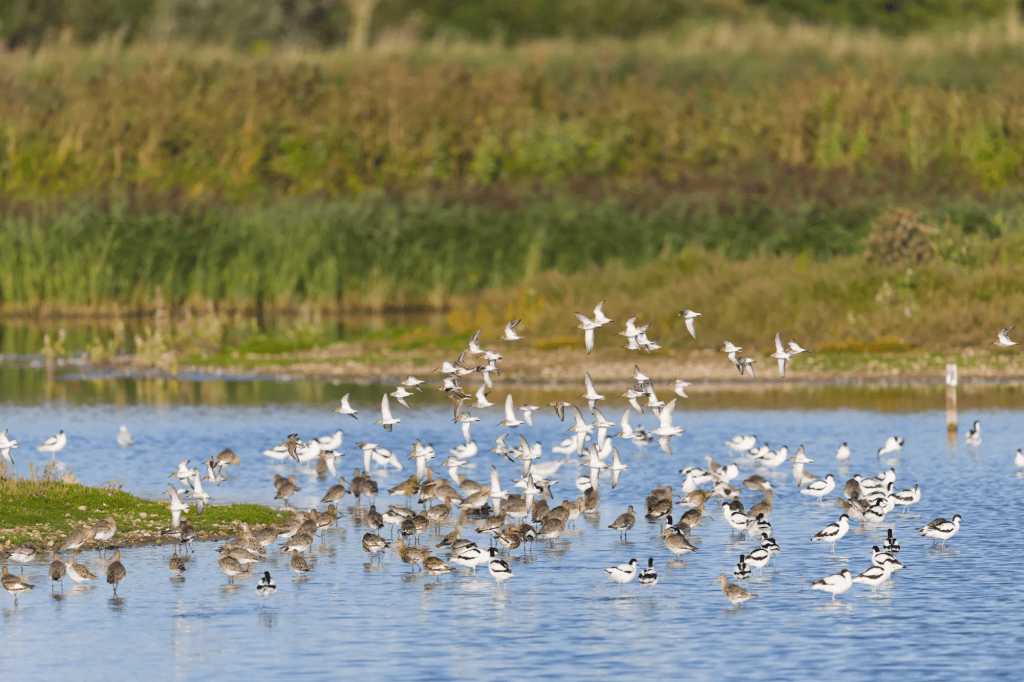
Yesterday we visited Minsmere. We enjoyed coffee and cheese scones from the café. We enjoyed walking through the woodlands, and walking beside the reedbeds, the stretches of open water. From the bird hides we saw majestic Marsh Harriers soaring high above the reedbeds… we saw speedy Hobbies swooping down to catch dragonflies… we saw Avocets in the coastal lagoons.
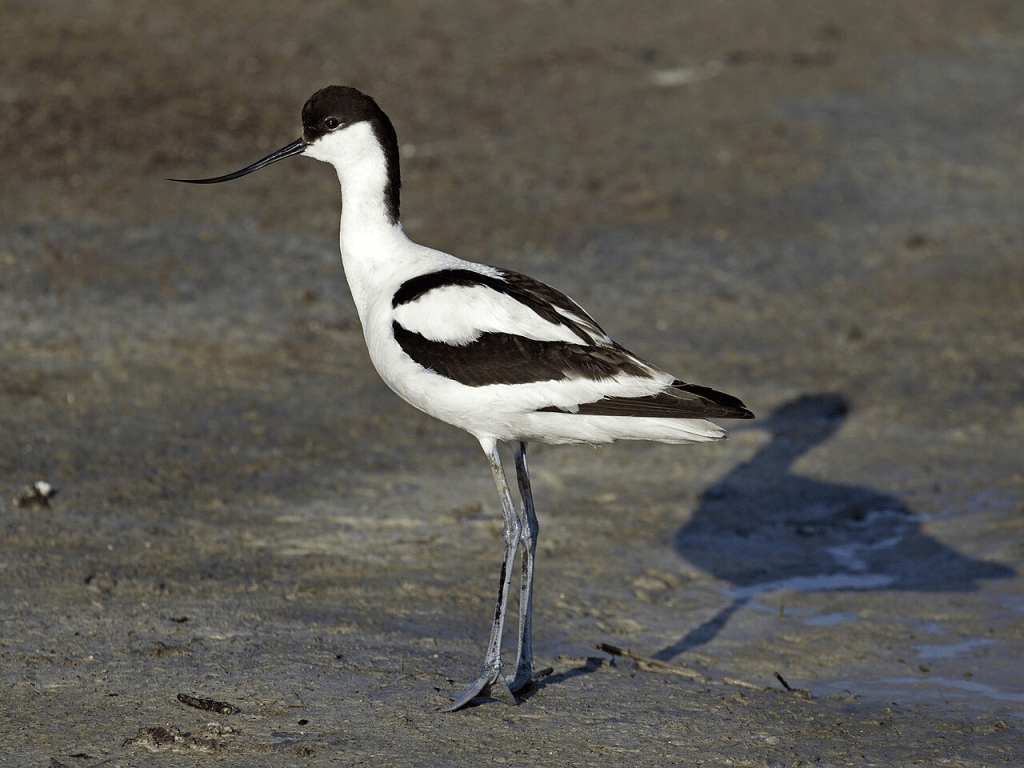
Here’s six lessons I learn from musing on Avocets…
Sadness: Many years ago avocets nested down the east coast, along the south coast of England. Wetland habitats in which they thrived was drained and reclaimed. Avocets were extinct by 1840.
- If we don’t look after our world’s creatures, they sadly disappear.
Surprise: In the 1840s the marshes along the Minsmere River were drained for agricultural use. During the Second World War they were reflooded to defend against invasion. Avocets returned from Europe to this new habitat.
- Actions can have surprising unexpected results
Success: The Royal Society for the Protection of Birds (RSPB) established the Minsmere reserve in 1947. Avocets settled and bred at Minsmere, and then spread to other coastal habitats around the UK.
- What was previously impossible can become possible.
Social: Avocets are social birds. Whenever I’ve seen them, they’ve been in groups. Yesterday I counted sixteen together around a small island. Together they can protect each other from predators and share resources.
- We need each other; we’re at our best when working together
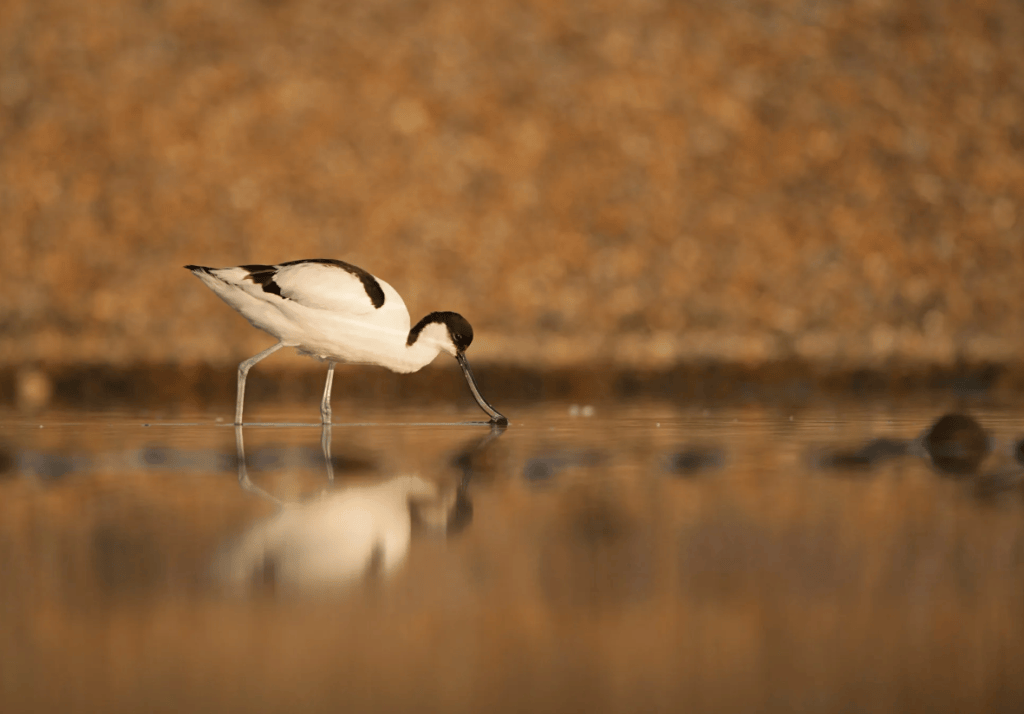
Special: Viewed objectively avocets appear to have a strange design. Their beak bends upwards, the knees on their thin legs bend backwards… and yet they are beautiful, elegant creatures, with a design that’s ideal for shallow water foraging…
- There’s beauty and purpose in being different
Symbol: In 1970 the avocet first appeared as the official emblem of the RSPB. It’s a powerful symbol of bird protection; the species’ recovery – especially at places like Minsmere has become one of the organisation’s defining conservation success stories.
- The avocet a symbolic reminder of hope and restoration.


“…avocets appear to have a strange design. Their beak bends upwards, the knees on their thin legs bend backwards”
I wonder what animals would say about humans if they could. Answers on a postcard please.
I also wonder whether we ought to go against natural evolution. If a species is to become extinct. who are we to play God and stop it by artificially keeping them here?
I personally give more for the protection of animals. Julie more for the protection of humans.
Am I playing a very small part in trying to stop natural extinction, in fact play the part of God?
I think I am doing what a lot of caring humans do and will continue to do.
LikeLiked by 1 person
It is a good question, Alan… When does acting as a responsible human become playing God? Or is responsible human behaviour, seeking to act as God would act?
LikeLike
I marvel at the absolutely wonderful pieces of architecture all around the world and then think, and I believe I’ve written about this before, as human beings we have made so many changes to this world, both good and bad.
Then I wonder, and I’m not being facetious Malcolm, what a deist or a theist would think.
Possibly the deist would feel that, having been given complete free will without the intervention of God, that they would be judged for their actions when their time comes. And the theist could feel much more confident as a God who actively interacts with the world cannot mind as he hasn’t done anything to dissuade the architects and builders of these wonders, be they beautiful or monstrosities, to date.
As I have said before, what I love about Malcolm’s Musings is they make us think, which cannot be a bad thing.
LikeLiked by 1 person
Six great s’s. Love their surprise return!
LikeLiked by 1 person
I didn’t know about that little story, Wynne – I learnt it from a sign on the reserve. Along the East Coast a number of defences were created – particularly anti-tank defences – because there was a concern that we would be invaded…
LikeLike