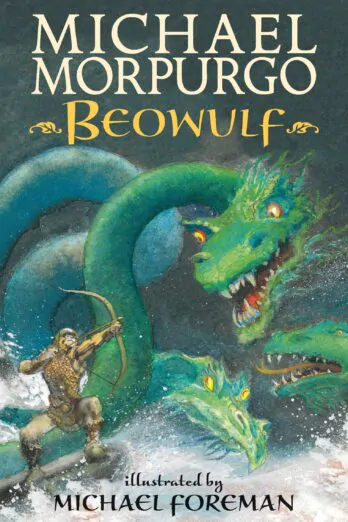
I remember watching cowboy films as a small child. The good guys always wore white hats; the bad guys wore black hats
I’ve been reading Michael Morpurgo’s telling of the story of Beowulf… Beowulf is about to fight the monster Grendel. Together with his trusty band of warriors, he prays: ‘We ask the Lord to bless our endeavours tonight… Remember we fight this fight in his name… I shall cut short this monster’s life with my own God given strength.’
It’s straightforward. Beowulf is the good guy. Grendel is the evil monster. We know who should win… And God is on the side of the good guys.
As we’ve travelled round Southern Ireland, we’ve heard stories about rebellions and civil wars over many centuries. Unionists and republicans, protestants and Catholics…
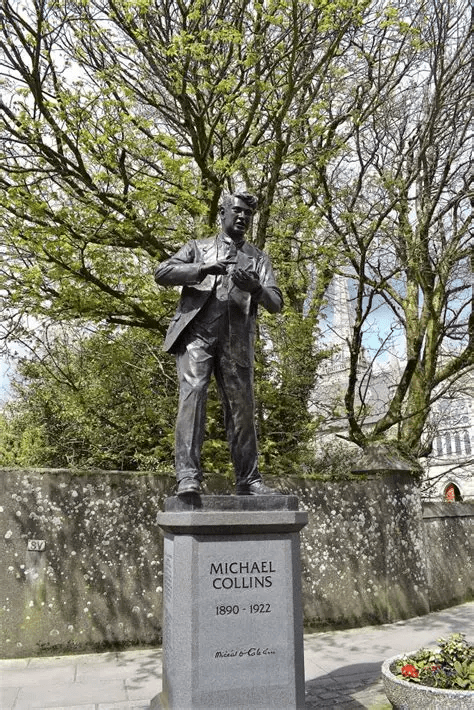
In Cork yesterday we saw a statue of Michael Collins. Collins was a soldier and politician, prominent in the struggle for Irish independence in the early 20th century. He was a member of Sinn Féin; his politics were radical and nationalist. Collins led the Irish delegation at the peace conference in London which resulted in the Anglo-Irish Treaty of 1921, but in 1922, he was assassinated in an ambush in County Cork.
For many Irish folks Collins was a good guy. Many others thought he was a bad guy. God’s side isn’t clear.
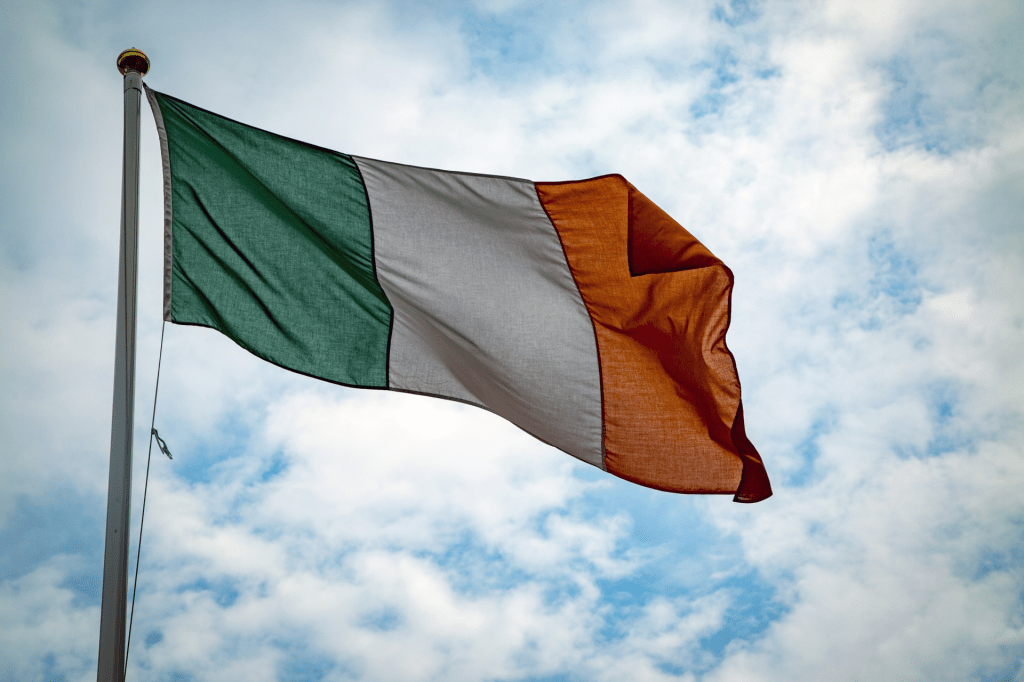
Yesterday I learnt about the symbolism behind the green, white, and orange of the Irish flag, first introduced by Thomas Francis Meagher in 1848.
Green is traditionally associated with Irish Catholics and the older Gaelic nationalist tradition. Orange represents the Irish Protestants, linked historically with William of Orange and the unionist community. The white between them symbolises peace. It speaks of unity, hope and reconciliation between Ireland’s historically divided communities.
There aren’t good guys and bad guys; it’s not about whose side God is on. Meagher said that the white stands for the hope that “the hands of Irish Protestants and Irish Catholics may be clasped in generous and heroic brotherhood.”


‘One man’s terrorist is another man’s freedom fighter’
LikeLiked by 1 person
Certainly, Robert. Sadly that often leads to confrontation and destruction rather than the ‘generous and heroic brotherhood’.
LikeLike