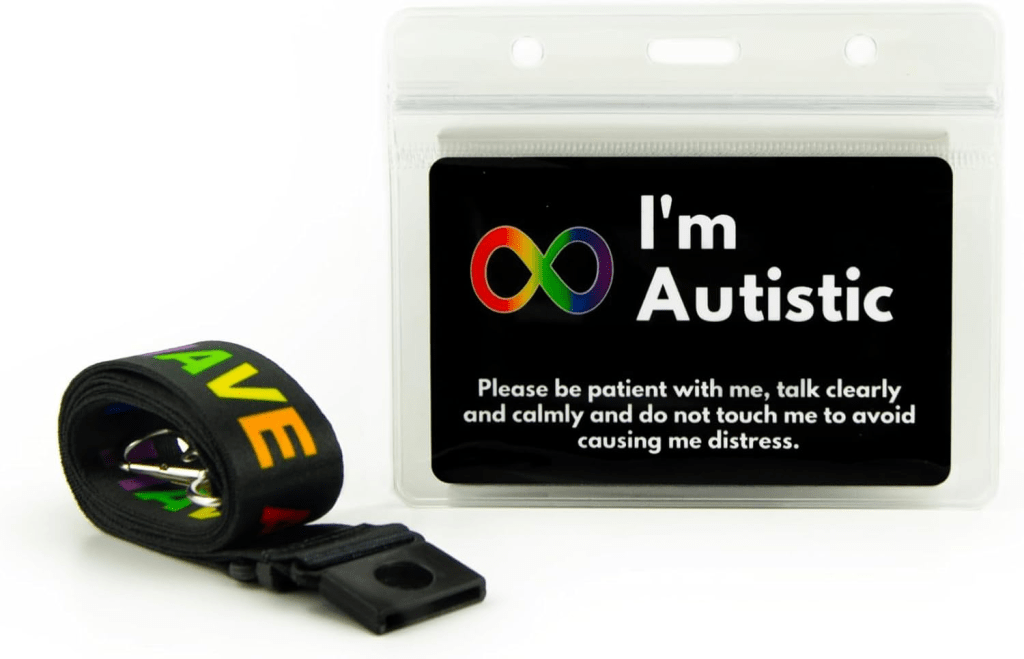
Yesterday a group of us were in conversation. Aaron’s describing what he’s been doing. In the middle of his explanation he says, ‘I’m autistic’. I’m no expert, but it’s clear that he is; that’s OK. Karen says, ‘I’ve got ADHD’. She certainly has some ADHD characteristics..…
The growing understanding of neurodivergence in recent years emphasises that we see the world in different ways. Our minds work differently. Perhaps there’s no such thing as ‘normal’. We’re all on our own spectrum.
Wendy and Steve have a number of cats. Last week they referred to themselves as their cats’ ‘Mum and Dad’. A number of cat and dog owners I know do the same. To me that’s completely bonkers – in all sorts of ways. I sometimes express that point of view; I’m shouted down. We see our worlds differently.
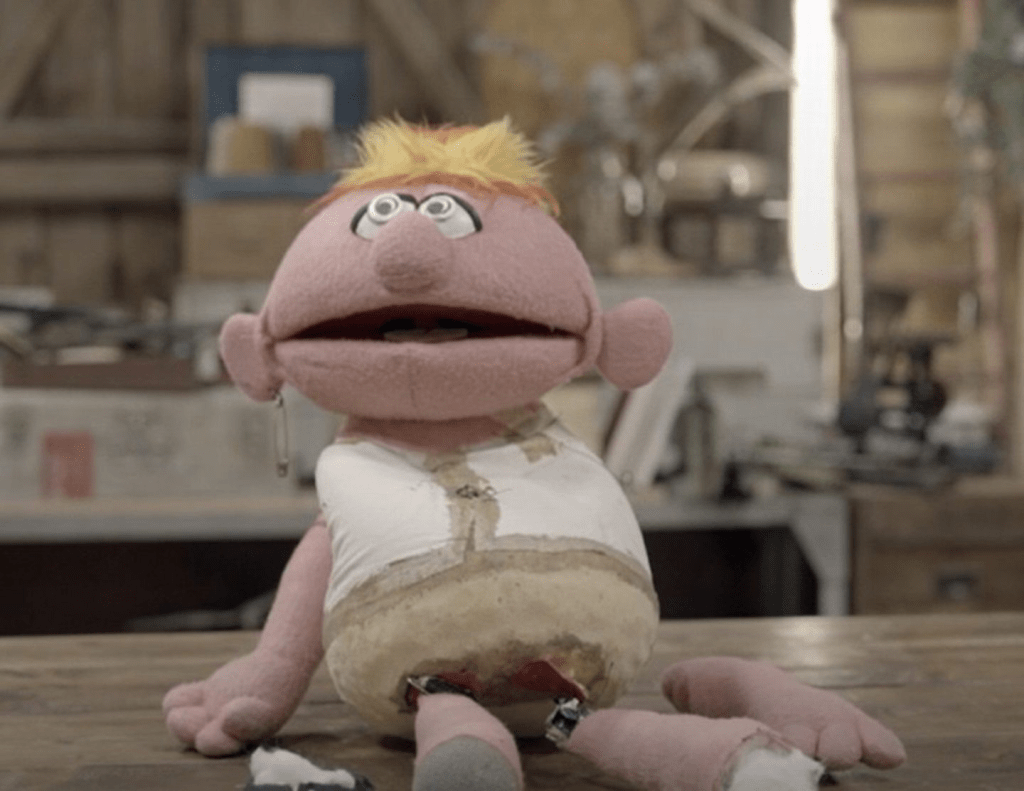
Last night on ‘The Repair Shop’ Jeff, a magician and entertainer from Aberdeenshire brought his puppet, Hamish, for repair. Wear and tear had left Hamish in pieces. He was brought to Julie and Amanda – who often repair teddy-bears.
Hamish was given new joints, fresh stuffing, expressive eyes, smart tartan trousers and was returned to Jeff. On Jeff’s hand, Hamish took on a life of his own. He became his own character. I was happy to believe in Hamish.

I remembered the phrase, the ‘suspension of disbelief’ – often associated with theatre and literature. Apparently the phrase was originally used and explained by Samuel Taylor Coleridge in 1817. He suggested that if an author could include ‘human interest and a semblance of truth’ into a narrative, then the reader would willingly suspend judgement concerning its truth.
I was brought up in an age that prioritised science, logic and truth. As far as faith was concerned ‘Is it true?’ was an important question. In recent years I’m learning that if I suspend disbelief in parables, ancient beliefs and traditions, unfamiliar forms of worship, then I can see things with fresh eyes and an open mind and can discover transcendent, deeper truth.

 malcolmsmusings.org
Surely Malcolm you have no “disbelief in parables, ancient beliefs and traditions, unfamiliar forms of worship” to suspend.
Possibly, if you acquired a disbelief then you may see things with “fresh eyes and an open mind and discover transcendent, deeper truth.”
Just offering an alternative reality.
Also, I wonder whether The Bible could be included into Coleridge’s suggestion that “if an author(s) could include ‘human interest and a semblance of truth’ into a narrative, then the reader would willingly suspend judgement concerning its truth.”
Again, just offering an alternative reality.
Peace be with you.
LikeLiked by 2 people
Thanks, Alan. I think the point I’m at is that in the past the concern has been whether something is true or false, right or wrong. You and I have had those discussions in the past and no doubt would have them again if we lived closer. I’m thinking now that a more valuable discussion is not whether a particular narrative is true, but what is the truth that it contains, and how do we respond to that truth.
LikeLiked by 2 people