Earlier this week I was chatting with Des, who’s involved with running the Seagull Theatre. We were talking about the range of activities and clubs for children and pensioners, folks with physical and mental disabilities, and the efforts made to include all.
There was a particular issue: Should a disabled girl in a wheel chair attend a dance class that she can’t fully participate in? In the discussion Des said, ‘Inclusion must always have boundaries.’
It set me musing…
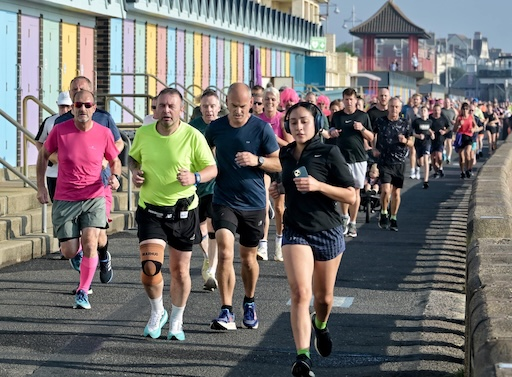
…Lowestoft Parkrun – advertised as ‘the most easterly parkrun in the UK’.
Yesterday’s Lowestoft Journal: ‘Saturday’s event along the seafront welcomed participants from places including Birmingham, Warwick, Oxford, South London and Sylhet in Bangladesh. In total, 548 people ran, jogged or walked the course…’
This wonderfully inclusive weekly event involves folks of all ages, shapes, sizes and athletic ability. The exclusion-boundary? You must be fit enough to complete the 5K course.
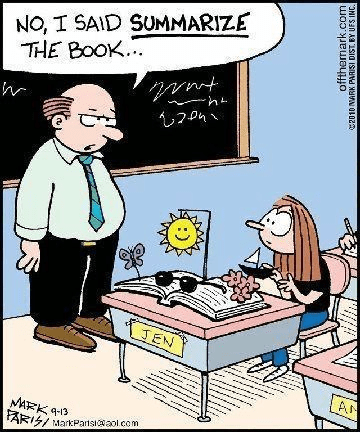
…Working in school: We always wanted to include those with difficulties and disabilities. However, some of the very children who we desperately wanted to include, could disrupt the education of other. Teachers, focusing on the children with difficulties, had less time for less demanding children.
To protect and include ordinary, quiet, less demanding children, it was sometimes necessary to create a boundary and exclude those who would disrupt. Looking back I don’t think we always got those boundaries right.
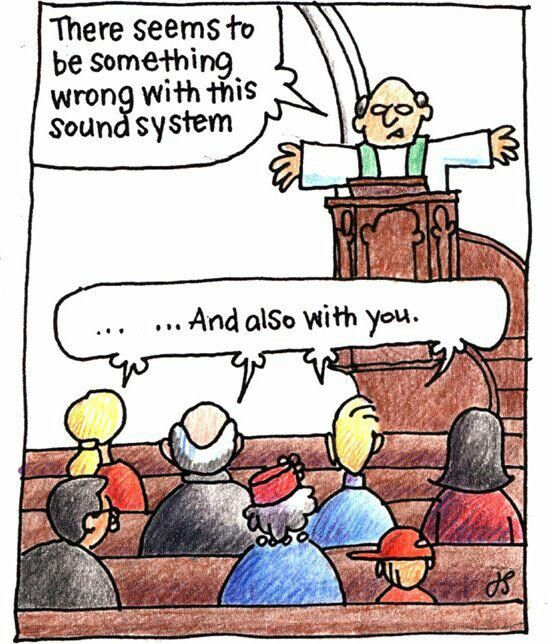
…In matters of faith: I believe the inclusive nature of Christian faith, of a Jesus who came to include the poor, the disabled, the prisoners, the oppressed, the rejected, the vulnerable…
In recent years there has been much publicity about the horrendous crimes involving physical, mental, sexual, spiritual abuse. To protect the very folks that should be included, must we necessarily exclude those who would exploit them?
…Jesus words: ‘Come to me, all you who are weary and burdened and I will give you rest.’ The ‘all’ is all-inclusive; sometimes we exclude ourselves by not doing ‘come to me’.
 malcolmsmusings.org
Today’s musings were very thought provoking.
“To protect the very folks that should be included, must we necessarily exclude those who would exploit them?”
I take it that by “exclude” you mean the church community? Because obviously they do not have the ability to exclude anyone including the most horrendous people from Christianity. I believe the Christian religion is based upon all sins being forgiven if the sinner accepts the existence of Jesus.
Romans 10:9 “That If thou confess with thy mouth that Jesus is Lord and believe in thine heart that God hath raised him from the dead, thou will be saved.”
This doesn’t imply that there will be any further judgement upon death but purely a belief in that historic event suffices.
Therefore, the church community can exclude those who commit “horrendous crimes involving physical, mental, sexual, spiritual abuse.” But the Christian church cannot. And, as the church, I’m led to believe, encompasses the spirit of God, there is a similar dichotomy as we had with the exclusion of “challenging pupils”.
Unfortunately, societal constricts, all too often, have to rule over heart Malcolm.
LikeLiked by 1 person
Des’s comment made me start to try think through the whole notion of ‘inclusion’. Inclusion is often made out to be simple. The reality is that it brings the sort of dichotomies that you identify. I wish we lived closer so we could chat it through. Thanks Alan.
LikeLike
I love this, Malcolm. The comic made me chuckle, but the message truly touched my heart. I love that Jesus is all-inclusive and never denies anyone—it’s often we who deny ourselves or each other. Thank you for the reminder that no matter who we are, whether shaped by our experiences or the world around us, Jesus always accepts us.
LikeLiked by 1 person
I think that the Christian principle is straightforward, Rachel. How it works out in practice can be more complicated.
LikeLiked by 1 person
Too true. The way it plays out can vary with each person, but it always stays faithful to what God has said from the very beginning.
LikeLiked by 1 person
wisdom in each situation is a hard thing sometimes.
LikeLiked by 1 person
I agree, Gary. Principles are easy. When it comes to actual situation with real people it’s not always so straightforward.
LikeLiked by 1 person