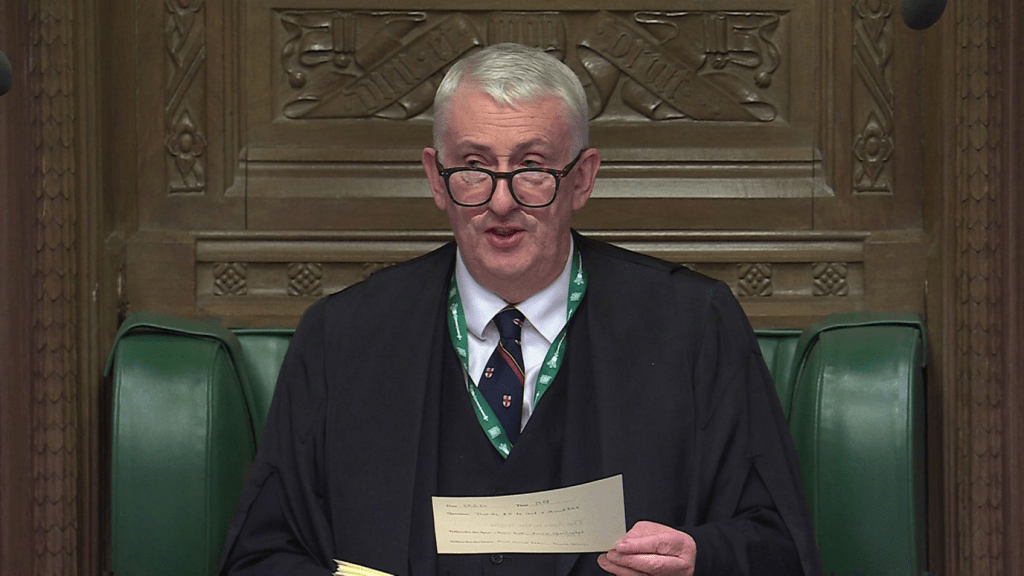
Yesterday in parliament the Assisted Dying Bill was debated and voted on. For several weeks now there have been TV interviews with ordinary people expressing their views. Their experiences of life and death have lead them to different conclusions.
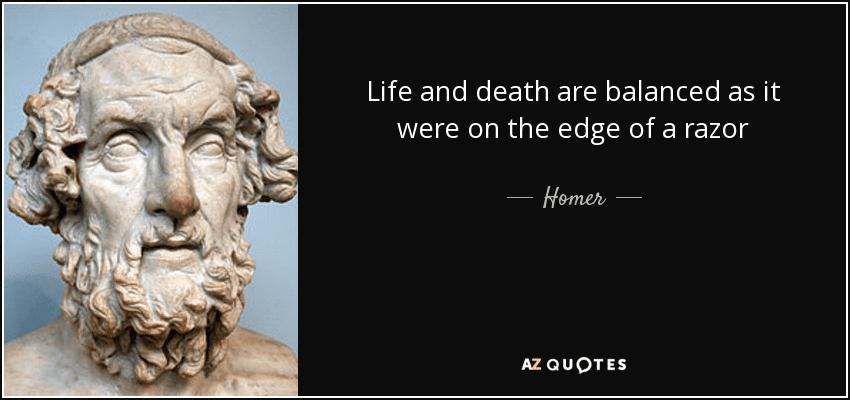
I’ve had conversations with friends over a coffee, a pint or a church chair. Some friends approach parliamentary debates with indifference. Not this one – they all felt personally involved!
We’ve reflected on family members and friends who had died, and personal fears about dying. The national debate has given us an opportunity, given us permission, to talk about matters of life and death that are often are in our thoughts and hearts but not our conversations.
Some friends have clear views, others remain undecided. All could see both sides with understanding and compassion, and could appreciate the dilemma that many folks face.

Yesterday’s parliamentary debate was different from most. MPs on both sides of the debate spoke with passion, emotion and conviction. Stories were told about life and death leading to different conclusions.
Because MPs had a free vote there weren’t political points to be gained or scores to settle. Instead of the usual aggressive belligerence there was understanding and respect. Before and during the debate each listened to others, and to their own conscience.

As a response to the ‘Assisted Dying Bill’ I propose an ‘Assisted Living Bill’. Having debated what it is to die well, treating all honourably in their dying, we should consider what it is to live well, treating all honourably in their living. The passionate, emotional debate about dying well should make us more passionate and emotional about living well
In politics, in our churches, we’re good at focusing on our differences, telling others they’ve got it wrong. Rather we need to work across political and religious divides, asking, ‘How can we help others – my family, friends, neighbours, strangers… to live better?’ We must tell our personal stories, speak with conviction and respect and work together to ensure there’s action.

 malcolmsmusings.org
I like your assisted living idea, Malcolm. It focuses on what we can do in the present to help each other fully live.
LikeLiked by 2 people
Thanks, David. The debate this last week has focused on dying well. The danger is that we forget how to live well. I’m not sure how to legislate for that!
LikeLike
Thank you for sharing this, Malcolm. As always, powerful and poignant. I love the Marcus Arelius quote because I have many stoicism traits. I’m so happy to hear of the open conversations and dialogue shared between sides. When I “faced” my immortality~two near death experiences and I was with someone at the end of her life~I wrote “I don’t just want to die well, I want to live well.” Assisted living~ living well and to the full potential and freedom Jesus gives us~if we choose! So many are living as if enslaved. Why fear death if you never fully live? God bless you, Malcolm!
LikeLiked by 2 people
Thanks, Karla. I’ve learnt so much from the people who have faced death, and it has actually made them live better.
LikeLiked by 1 person
You’re welcome ☺️. Thank you, Malcolm.
LikeLiked by 1 person
How can we help others live better is a much better debate issue-I agree!
LikeLiked by 1 person
Better – but both are difficult but necessary, I believe, Nancy.
LikeLike
I love your statement, “The passionate, emotional debate about dying well should make us more passionate and emotional about living well.” In fact, if we are able to live well, we may ease our fear of dying. Thanks, Malcolm!
LikeLiked by 1 person
Thank you Wynne. Our politicians and church leaders in this debate have focused on dying well. I do wish they’d put as much energy in debating what it is to ‘live well’ – and to ensure that it is there for everyone.
LikeLike
Words of wisdom for all of us in every country. Thank you.
LikeLiked by 1 person
I agree, Karen. They are thoughts that we all need to engage with.
LikeLiked by 1 person