
As a young child I learnt: ‘Julius Caesar – That old Geezer – Squashed his nose in a lemon squeezer.’ I hadn’t a clue who ‘that old geezer’ was, but I liked the rhyme.
At school I ‘did the Romans’ and learnt about Julius Caesar invading Britain; as a teacher we ‘did the Romans’… their soldiers and army, architecture and buildings, straight roads, baths, food…
As a teenager I studied the Shakespeare play ‘Julius Caesar’… which I’d forgotten about until last night when we went to watch it…

…Julius Caesar returned to Rome triumphant from the war against Pompey. Cassius and Brutus plot a conspiracy, believing that Caesar has too much power. A group of conspirators stab him to death.
At Caesar’s funeral Brutus explains their motives for killing Caesar; Mark Antony turns the crowd against the conspirators who are forced to flee from Rome.
Mark Antony and Octavius Caesar, take command of Rome and lead an army against the conspirators. Brutus and Cassius are defeated and kill themselves.

As with all Shakespearean tragedies, Julius Caesar contains themes that are still relevant today. It’s about…
…Power and politics, how leaders take power, what makes a good leader; there’s still a fine line between democracy and dictatorship.
…Brutus and Cassius believed that they were murdering for a ‘just cause’ – that Rome was better off without Caesar. Today people protest about climate change, racial discrimination, homophobia… believing that their just cause justifies law-breaking.
…As with all Shakespearean tragedies there’s the involvement of forces outside human control; ‘fate’ or ‘the gods’ make the chain of events inevitable.
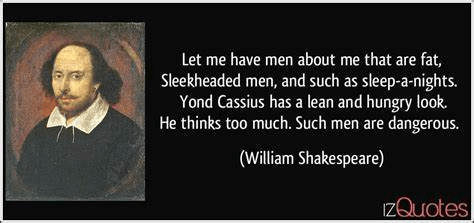
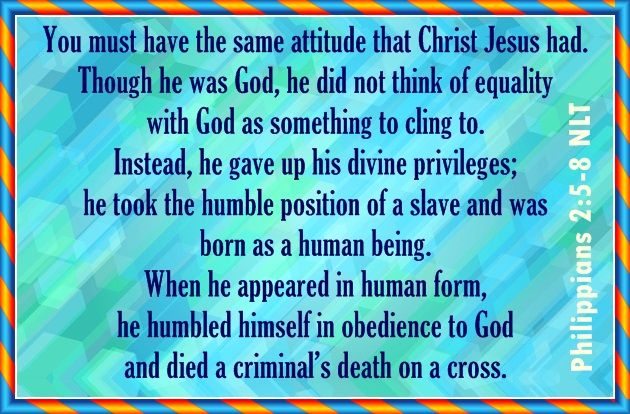
…I muse on these timeless themes, and how my faith responds to power, murder for a just cause, and forces outside human control… My faith points me to Jesus…
…rejecting human power… bringing peace instead of war … leading through humility and service …whose life was taken, but who sacrificed himself …whose ‘just cause’ was the good of all …exhibiting super-human forces so that all may escape inevitable tragedy.
 malcolmsmusings.org
leading through humility and service — that says so much, doesn’t it?
LikeLiked by 1 person
It certainly does; it’s not a very popular leadership style at any level – certainly in the world that I see, Wynne.
LikeLike